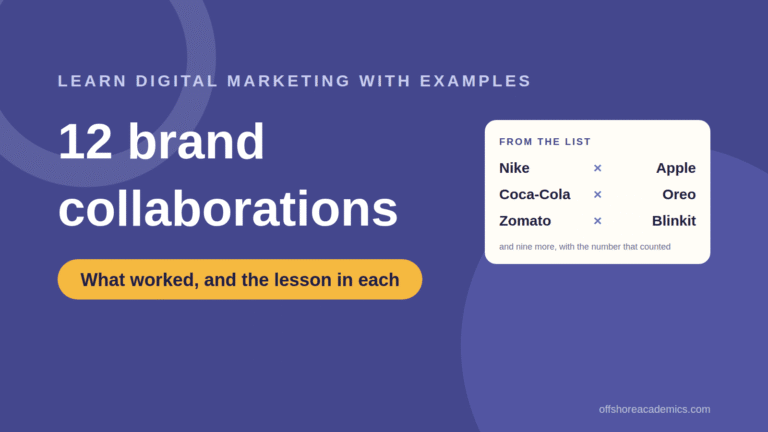
Learn Digital Marketing with 12 Brand Collaboration Examples (2026 Lessons)
12 brand collaboration examples, from Nike × Apple to Zomato × Blinkit, with the lesson in each: types, patterns, how to measure...
Read the article.webp)
Takes 20 seconds. The PDF lands on WhatsApp and email.
No spam. A counsellor may call once to help you pick a batch.
Takes 20 seconds. No obligation.
We never share your number.
Takes 20 seconds.
We never share your number.
Instagram marketing in India, 2026: the numbers, how the algorithm ranks, a posting system a small team can sustain, a 90-day plan, creators, ads and measurement.
Instagram marketing in 2026 means marketing to 362 million Indians, more than in any other country, on a platform where Reels now make up 45% of everything posted and reach about twice as many non-followers as a feed post. The rules have changed since most guides were written: saves and shares outrank likes, small accounts out-engage big ones, and a business that posts four to seven times a week with one clear system beats one that posts daily with no plan.
This Instagram marketing guide is the Instagram module of our digital marketing course in Mohali, condensed. It covers the 2026 numbers that matter, how the algorithm decides who sees a post, a content system a small team can sustain, a 90-day plan for a new business account, how to work with creators, when to pay for ads, how to measure, and the mistakes that stall accounts. If you are new to the field, our guide on how to start digital marketing comes first.
Instagram passed 2.4 billion monthly users in Meta’s last quarterly report, and India is its largest market at 362 million, almost 200 million ahead of the United States, according to Statista figures in the Searchlab 2026 review. The same review cites Meta’s commerce report finding 44% of users shop through Instagram weekly and 70% use it to discover products. For an Indian business, Instagram is not a branding channel with sales as a bonus; it is where a large share of customers first find and first judge you.
Reels average 1.48% engagement globally, carousels 0.99%, single feed posts 0.70%, and Stories 0.44%, per the benchmarks Searchlab compiles from Hootsuite, Later, Sprout Social and Rival IQ. Reels also make up 45% of all content posted, up from 28% in 2024, and Meta reports they reach about 2.1 times more non-followers than feed posts. A business that is not making Reels is opting out of the format that both engages and grows.
The Katha IGNITE 2026 India benchmark puts the national average Reel engagement rate at 3.2%, with nano accounts of 2,000 to 20,000 followers averaging 4.4% and accounts above a million averaging 1%. By category, entertainment leads at 3.6%, beauty 3.3%, fashion 3.0%, food 2.8%, fitness 2.4%, and finance and technology below 2%. Two things follow: a small business account should aim at 3 to 4%, not the global 1.5%, and when you pay creators, the small ones deliver the higher rate.
Meta has explained its ranking in public several times, and the order is consistent: watch time first, then saves, then shares and direct messages, then comments, with likes last. The practical translation is that a Reel watched to the end and sent to a friend will be shown to more people than one with three times the likes. Design posts to be kept or sent: a checklist someone saves, a joke someone forwards, a before-and-after someone tags a friend on.
Feed posts are shown mostly to people who already follow you; Reels are shown to people Instagram thinks will watch, whether they follow you or not. That is the 2.1 times difference in non-follower reach, and it is why growth on Instagram in 2026 comes almost entirely from Reels. Use the feed for people you have and Reels for people you want.
Three rules follow. Decide the reason to save or send before you make the post; if there is none, change the post. Write the hook before anything else, because the first three seconds decide watch time. And post when your audience is active, then reply to every comment in the first hour, because early engagement tells Instagram to keep distributing.
A week that one person can sustain: three Reels, one carousel, one photo post, and Stories every day. That is five feed posts, inside Later’s 2026 benchmark of four to seven a week for business accounts, with the best engagement on Tuesday and Wednesday between 10am and 1pm in most markets. The Reels do the growing, the carousel does the saving, the photo post keeps the grid looking like a business, and the Stories keep you in front of existing followers. Our guide to making marketing videos without a professional covers how to shoot the three Reels in one afternoon.
Four hooks cover most business content. Result first: show the finished thing, then how it was made. A number: three mistakes, a ₹500 kit, seven days. A question your customers actually ask. A contrast between what everyone does and what works. Write the hook before the script, put it in on-screen text as well as speech because most Reels are watched muted, and cut anything that comes before it.
Start with the benchmark, four to seven posts a week with Tuesday and Wednesday late morning as the default slots, then after a month open Instagram Insights and move to the hours your own followers are active, which for Indian audiences is often 8 to 10pm. Consistency matters more than the exact hour; an account that posts five times a week for three months beats one that posts fifteen times in a burst and stops.
A local service account wins on proof. Put the city in the name field so local searches find you, shoot before-and-after Reels in your actual premises, tag the location on every post, and keep reviews and prices in Highlights. Hiding prices behind “DM for details” loses the people who would have booked. The number to watch is WhatsApp enquiries per week.
A product brand wins on demonstration. Show the product being used by a person, tag it with Instagram Shopping so it can be bought in two taps, and give each creator a tracked code so you know who sent the sale. Catalogue grids with no people, clicks sent to the homepage and one shared discount code across every creator are the three habits that make Instagram look like it does not sell. The number to watch is cost per purchase.
An institute wins on visible students and visible teaching. Put real students and their placements on camera, publish one Reel a week that teaches something useful for free, and keep batch dates and fees in a Highlight rather than behind a call. Motivational quotes and anonymous certificates are what every competitor posts, which is why they do nothing. This is the playbook we run for our own account, and the placement results it points to are in our salary guide.
Before posting, fix the profile. Put what you do in the name field so it is searchable, write a one-line bio that says who you help and gives one call to action, add a tracked link, set up Highlights for reviews, prices, location and how to book, switch on the WhatsApp and call buttons, and make the first nine posts look like one brand. Our guide on why brand recognition matters covers the visual consistency part.
Month one is setup and consistency: profile fixed, brand kit applied, twelve Reels shot and banked, five posts a week. Month two is analysis: open Insights, find the two Reel formats that outperformed, and make more of those. Month three adds scale: one paid creator, a boost on the best Reel, and DMs used as a sales channel. On day ninety, compare reach, saves, profile visits and enquiries to the day-one baseline.
Five numbers, all free from Instagram Insights except engagement rate, which you calculate as likes plus comments plus saves plus shares, divided by reach. Record them on day one and compare on day ninety. Reach and profile visits show growth; saves show whether content is useful; link clicks and DMs show whether any of it turns into business.
Record the baseline before you change anything. Most accounts skip this and can never prove the plan worked.
For a local business the answer is small. Nano creators in India average 4.4% engagement against 1% for accounts above a million, and their audiences are usually local and specific. Five nano creators in Mohali or Chandigarh cost less than one regional name and reach people who can actually walk in. The mechanism, borrowed trust, is the same one behind the big partnerships in our brand collaboration examples.
Brief in one message: the offer, who it is for, and the single line they must say. Then let them write it in their own voice; a rewritten script sounds like an ad and performs like one. Pay per Reel, ask for the raw file so you can cut it for Stories and ads, and agree usage rights up front so you can boost it. Track each creator with a code or a link so you know who sent the enquiries.
Boost is for reach: take the Reel that already outperformed and pay to show it to more of the same people. Ads Manager is for leads and sales: objective-based campaigns with a landing page or a lead form, proper audiences and proper reporting. Never boost a post nobody engaged with, and never send paid clicks to the profile, where most of them leave. The measurement side of this is covered in our guide to the digital skills that raise pay, where performance marketing sits near the top.
A small business can learn what works on ₹300 to ₹500 a day. In local services, our accounts typically see ₹5 to ₹15 per landing page click and ₹100 to ₹400 per lead depending on the category and city; your numbers will differ, which is why the baseline matters. Judge after two weeks on cost per enquiry, not after two days on reach.
The most common mistake is making content for likes. Likes are the weakest ranking signal, so a post built for them gets likes and stops. Build for saves and shares, and check those two numbers in Insights instead of the heart count.
Do not buy followers or use engagement pods. Fake followers destroy the engagement rate that the algorithm and every creator brief is judged on, and they never buy anything.
The second mistake is bursts. Fifteen posts in one week and nothing for a month teaches the algorithm nothing and loses the followers you gained. Five posts a week for twelve weeks is what moves reach, and the only way most small teams manage it is banking content in advance.
The third mistake is reach with nowhere to go: strong Reels pointing at a profile with no link, no prices and no way to book. Give every post a next step, keep the profile answering who, what and how to buy, and switch on the WhatsApp and call buttons, because that is how most Indian enquiries arrive. If email is part of your funnel, our guide to email newsletters covers what happens after the click.
Instagram marketing in 2026 is a Reels-first, save-and-share game played in the biggest Instagram market in the world. Fix the profile, post three Reels, one carousel, one photo and daily Stories a week, write the hook first, reply in the first hour, and record the baseline. After a month, make more of what worked. After two, add nano creators and boost the best Reel. Measure reach, saves, engagement rate, profile visits and enquiries, and judge ads on cost per enquiry.
If you want to learn this on a real account with feedback, the digital marketing course at Offshore Academics runs a live Instagram project, and the design and video courses cover the production side.
Fix the profile first: what you do in the name field, a one-line bio with one call to action, a tracked link, Highlights for reviews, prices, location and booking, and the WhatsApp and call buttons switched on. Then post consistently: three Reels, one carousel, one photo post and daily Stories each week. Bank twelve Reels before you start, record your baseline numbers on day one, and after a month make more of the two formats that performed best.
Four to seven times a week, according to Later’s 2026 benchmark, with at least three of those being Reels. Tuesday and Wednesday between 10am and 1pm engage best in most markets; after a month, move to the hours your own Insights show your followers are active, often 8 to 10pm for Indian audiences. Consistency over twelve weeks matters more than the exact count or hour.
The 2026 Katha IGNITE benchmark puts the national average Reel engagement rate in India at 3.2%. Nano accounts with 2,000 to 20,000 followers average 4.4%, micro 2.9%, mid-tier 2.0%, macro 1.4% and accounts above a million 1.0%. A small business account should aim for 3 to 4%. Calculate it as likes plus comments plus saves plus shares, divided by reach.
Yes. Meta reports Reels reach about 2.1 times more non-followers than feed posts, and Reels average 1.48% engagement against 0.70% for single feed posts. Reels now make up 45% of all content on Instagram. Feed posts are shown mainly to existing followers; Reels are shown to anyone Instagram predicts will watch, which is where growth comes from.
Boost only Reels that have already performed well organically, to show them to more similar people. For leads and sales, use Ads Manager with an objective-based campaign, a landing page or lead form, and proper audiences. Never boost a post nobody engaged with, and never send paid clicks to the profile. A small business can test on ₹300 to ₹500 a day and should judge after two weeks on cost per enquiry.
Small ones. In India, nano creators with 2,000 to 20,000 followers average 4.4% engagement against 1% for accounts over a million, and their audiences are local. Five nano creators usually cost less than one regional name and reach people who can actually visit. Brief in one message with the offer, the audience and one line they must say, let them script it in their own voice, pay per Reel, and get the raw file and usage rights.
12 brand collaboration examples, from Nike × Apple to Zomato × Blinkit, with the lesson in each: types, patterns, how to measure...
Read the article
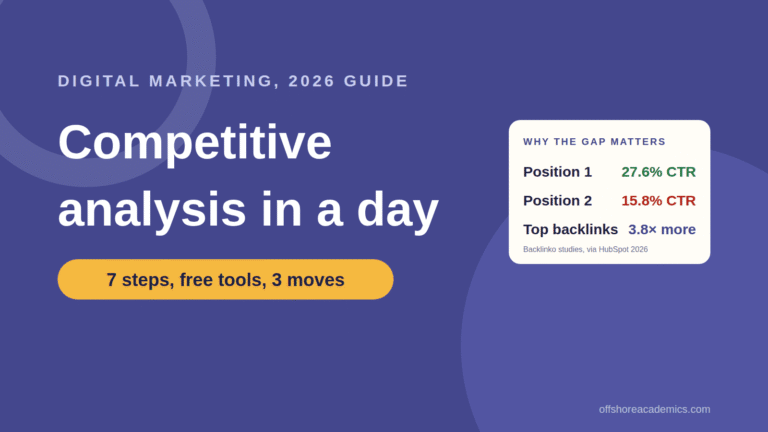
How to do a competitive analysis in digital marketing in one day: seven steps, free and paid tools with 2026 prices, a...
Read the article
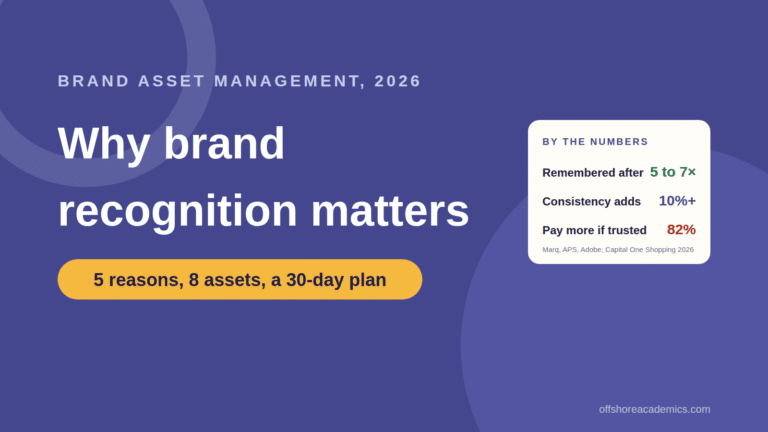
Why brand recognition is important, with the numbers: five reasons it pays, what brand asset management is, the eight-asset kit, how it...
Read the article